The entertainment landscape has undergone a seismic shift over the past decade. While Hollywood blockbusters and streaming platforms once dictated the cultural zeitgeist, a new, decentralized force has emerged from the digital trenches: online gaming communities. These aren’t just groups of people playing together; they are sophisticated, self-sustaining ecosystems that are redefining how content is created, consumed, and monetized. For tech enthusiasts and industry analysts alike, understanding this evolution is not optional—it is essential to grasping the future of interactive media.
From Passive Viewing to Active Co-Creation
Traditional entertainment is a one-way street. A studio produces a film, and an audience watches it. Gaming communities have inverted this model. Platforms like Twitch, Discord, and dedicated game forums have transformed players from passive consumers into active co-creators. This shift is observable in several key mechanisms:
- User-Generated Content (UGC): Games like Roblox and Fortnite have built entire economies around player-created maps, modes, and skins. The community doesn’t just play the game; they build the game, with developers acting as platform providers rather than sole content creators.
- Live-Streaming as Performance Art: Streamers are not just playing games; they are performing narrative arcs, hosting talk shows, and conducting interactive Q&A sessions. The chat is not a sidebar—it is an integral part of the show, allowing instant feedback that alters the streamer’s actions in real-time.
- Collaborative Problem Solving: Massive multiplayer online games (MMOs) foster communities that solve complex puzzles collectively. From deciphering cryptic in-game lore to organizing thousand-player raids, these communities demonstrate a level of distributed cognition that no production studio can replicate.
The Economic Engine of the Metaverse
Online gaming communities have matured into robust micro-economies. The financial implications are staggering, outpacing the combined revenues of the music and film industries. Within these communities, value is created and exchanged through dynamic systems that challenge traditional financial models.
Virtual Economies and Real-World Impact
The distinction between virtual and real-world value has dissolved. Cosmetic items, virtual real estate, and in-game currency now carry tangible monetary worth. Consider the following data points that highlight this economic power:
| Skin Trading | Rare drop scarcity & social status | Multi-million dollar secondary markets |
| Esports Sponsorships | Grassroots fan bases & loyalty | Global brand partnerships exceeding $1B annually |
| UGC Monetization | Creative toolkits & revenue sharing | Top creators earning six-figure incomes |
This table underscores a critical point: communities are no longer just spending on games; they are investing in digital identities. The social pressure to belong and the desire for exclusive status drives recurring revenue, creating a feedback loop that sustains developers and empowers individual creators.
Redefining Social Interaction and Belonging
Beyond economics, these communities serve as vital social infrastructure. In an age of increasing physical isolation and fragmented attention spans, gaming communities offer a unique form of structured belonging. They are not merely chat rooms; they are organized societies with hierarchies, rituals, and shared goals.
The Tech Stack Powering the Revolution
This transformation is not accidental. It is the direct result of rapid technological advancement. Three core pillars currently support the growth of these communities:
Low-Latency Communication
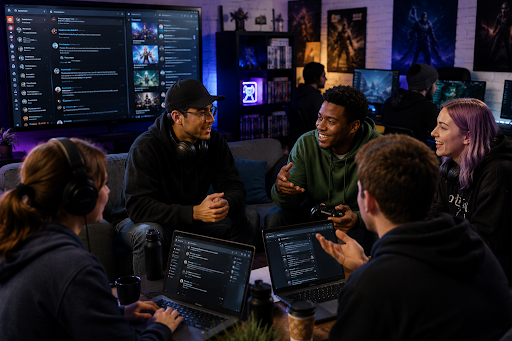
Discord and similar platforms have made high-definition voice and video a standard utility. More importantly, they have built APIs that allow for deep integration with game state, enabling bots to moderate, announce events, and even manage player inventories directly through chat.
Spatial Computing and VR
Virtual reality (VR) is compressing the psychological distance between players. When you can read someone’s body language in a virtual archery range or share a physical high-five in a digital lounge, the community becomes an embodied experience, not just an abstract chat window.
Blockchain and Ownership
Non-fungible tokens (NFTs) and decentralized ledgers are promising to give players verifiable ownership of their digital assets. This will allow communities to govern themselves through DAOs (Decentralized Autonomous Organizations), making decisions about game rules and resource allocation without a central authority. The result is a true player-owned economy.
The Mainstreaming of Esports as Cultural Spectacle
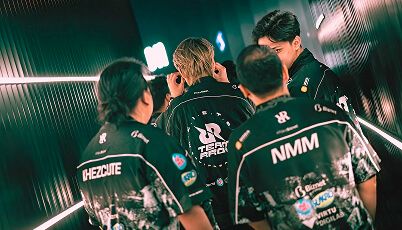
The competitive arm of gaming communities—esports—has successfully crossed over into mainstream entertainment. This is no longer a niche subculture. Stadiums are filled for League of Legends finals, and college scholarships are now awarded for esports prowess. The key differentiator from traditional sports is the intimacy of the digital connection. Fans do not just watch their favorite players; they queue with them in matchmaking, join their Discord servers, and analyze their gameplay frame-by-frame. This hybrid model of spectator and participant creates an unprecedented level of fan engagement.
Challenges and the Road Ahead
However, this evolution is not without friction. Toxicity, harassment, and burnout remain significant issues. Communities that scale too quickly often struggle to moderate behavior, leading to hostile environments that can repel new members. Furthermore, the reliance on platform algorithms creates a vulnerability; a single policy change can obliterate a thriving community overnight. The industry must pivot toward robust governance models and mental health support systems to sustain this growth.
Moreover, the over-commercialization of community spaces risks alienating the very users who built them. If every interaction is monetized or gated behind seasonal passes, the authenticity of the community fabric erodes. The most successful future platforms will be those that treat their communities as partners, not just user bases.
Conclusion: The New Entertainment Paradigm
Online gaming communities have moved far beyond the pixelated battlefields of the 90s. They are now complex, influential, and economically significant social organisms that are actively reshaping the entertainment industry. They have proven that the most compelling story is not the one written by a screenwriter, but the one lived and co-authored by millions of players interacting in real-time. For technology companies and media executives, the lesson is clear: the future of entertainment is not a broadcast; it is a conversation. Those who learn to listen to and empower their communities will not just survive the disruption—they will lead it. The rise of these digital tribes is not a trend; it is the establishment of a new cultural cornerstone.

Related Posts