The modern sports landscape has been irrevocably altered. While traditional athletics continue to command vast audiences, a parallel universe has emerged—one where reflexes are measured in milliseconds, strategy unfolds at 144 frames per second, and the roar of the crowd is a digital torrent of emotes and chat messages. This is the world of esports, and at its heart lie the organizations that have transcended mere gameplay to become global cultural institutions. These esports teams are not just competing; they are inspiring millions of fans through narratives of resilience, innovation, and unyielding ambition.
The Anatomy of Modern Esports Organizations
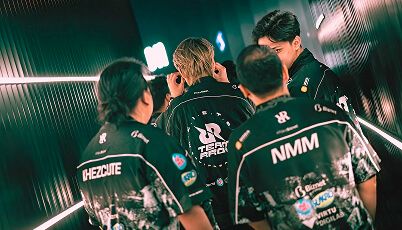
Gone are the days when a competitive gaming team was simply five friends in a cramped apartment. Today’s top-tier esports teams are sophisticated multi-million-dollar enterprises, complete with performance psychologists, data analysts, sports scientists, and dedicated content creation divisions. This professionalization is the cornerstone of their inspirational appeal. When fans witness a team like Fnatic or T1 operate with military precision—both in-game and in their public relations—they are witnessing a new standard of excellence.
The organizational structure often mirrors that of legacy sports franchises, yet with a unique digital-first DNA. This structure allows them to cultivate a sense of belonging among fans that is both intense and interactive. The team’s jersey is not just merchandise; it is a digital badge of identity. The fanbase is not a passive audience; they are active participants in the team’s emotional journey, sharing in the heartbreak of a grand final loss and the cathartic euphoria of a reverse sweep victory.
Narrative Arcs: The Underdog and the Dynasty
Why do we care about these teams? The answer lies in storytelling. Esports teams provide some of the most compelling narrative arcs in modern entertainment. Consider the story of Cloud9 at the 2018 League of Legends World Championship—a team that defied all statistical predictions to topple the tournament favorites. Or the enduring dynasty of OG in Dota 2, a team that rose from the open qualifiers to win back-to-back Internationals, cementing their legacy as the ultimate underdogs. These stories are not just about video games; they are about human perseverance against overwhelming odds.
These narratives are amplified through sophisticated broadcast production and social media storytelling. Teams release emotional documentaries (“Behind the Glory”), player vlogs, and real-time tactical breakdowns that demystify the gameplay. By letting fans glimpse the grueling practice schedules, the silent tears of defeat, and the explosive joy of victory, teams humanize their players. This transparency transforms a digital avatar into a relatable hero, forging a powerful emotional connection that inspires fans to pursue their own goals with similar tenacity.
The Role of Icons and Rivalries
Individual superstar players are often the primary drivers of inspiration, but the team is the vessel that carries their legacy. Legends like Faker (League of Legends), s1mple (Counter-Strike 2), and ZywOo have become household names, their mechanical skill bordering on the superhuman. Yet, their greatness is only meaningful within the context of their team. A solo player is a highlight reel; a team is a legacy. For instance, T1’s 2023 World Championship run, led by Faker’s veteran leadership, was not just a victory for the organization but a symbolic triumph for every fan who has stuck with their team through a multi-year rebuild.
Rivalries further fuel the inspirational fire. The historical clashes between Faze Clan and Natus Vincere in CS:GO, or the perpetual war between Gen.G and T1 in the LCK, create a season-long soap opera with high stakes. These rivalries teach fans about healthy competition, respect, and the importance of consistency. Watching two titans repeatedly collide, with each match writing a new chapter, inspires fans to embrace their own adversities as opportunities for growth rather than insurmountable barriers.
Beyond the Game: Social Impact and Community Building
The influence of top esports teams extends far beyond the virtual arena. Many organizations now serve as powerful agents for social change. Teams like Team Liquid and G2 Esports have launched significant mental health initiatives, partnering with clinical psychologists to support not only their players but also their wider communities. Others, like 100 Thieves, have blurred the lines between gaming, fashion, and lifestyle, creating a cultural ecosystem that attracts a diverse demographic.
This expansion is crucial for inspiration. A 16-year-old fan in Brazil can feel a kinship with a team headquartered in Los Angeles, not just because of the game they play, but because of the shared values the team espouses. Whether it’s supporting LGBTQ+ inclusion, championing environmental sustainability, or providing scholarships for underprivileged youth, these teams demonstrate that competitive success can coexist with social responsibility. This teaches fans that heroism is not only about winning trophies but about using one’s platform for the greater good.
The Economic Engine Fueling the Dream
The inspirational power of esports teams is underpinned by a rapidly maturing economic model. Sponsorships from blue-chip brands like BMW, Red Bull, and Mastercard validate the industry. More importantly, they provide the financial stability required to support full-time athletes. This economic viability creates a tangible dream for aspiring players. It proves that a career in esports is not a fantasy but a viable pathway to professional success.
The following table illustrates the diversification of revenue streams for a modern top-tier esports organization, highlighting how business acumen supports on-stage excellence:
| Brand Sponsorships | Partnerships with non-endemic brands | High capital, global brand exposure |
| Merchandising & Apparel | Limited edition drops and lifestyle wear | Deepens fan identity, recurring revenue |
| Media Rights & Broadcasting | League profit sharing and streaming deals | Stable annual income, audience retention |
| Player & Content Sales | In-game skin royalties & digital collectibles | Direct engagement, passive income |
| Investor Growth | Private equity and franchise ownership | Long-term stability, expansion capital |
This economic sophistication allows teams to invest heavily in grassroots scouting, academy rosters, and coaching. Consequently, the path from casual player to professional is more accessible than ever. This accessibility is perhaps the deepest source of inspiration: the knowledge that talent, paired with dedication, can be seen and rewarded. For millions of young fans, watching their favorite team’s academy player step up to the main stage is a direct proof that their own dreams are valid.
The Psychological Blueprint of Winners
Finally, esports teams inspire through their psychological resilience. The best squads do not simply “out-aim” opponents; they outperform them mentally. They practice mindfulness, engage in rigorous post-match debriefs, and cultivate a team culture that prioritizes communication over ego. This psychological blueprint is a lesson for any professional, irrespective of industry.
Observing a team like Vitality navigate a mid-series defeat to adjust their strategy and claw back to victory provides a masterclass in emotional regulation. Fans take these lessons to their workplaces, schools, and personal relationships. The ability to compartmentalize failure, learn from mistakes, and reset one’s focus is a universal skill for success. Esports teams, through their high-stakes public performances, demonstrate this skill daily, inspiring millions to adopt a growth mindset characterized by curiosity and grit.
Conclusion: A Legacy in the Making
We are witnessing the golden age of esports, and the organizations at its helm are modern-day mythmakers. They have transformed pixels into passion, and competition into community. By blending athletic excellence with business innovation and social empathy, they have created a blueprint for inspiration that transcends generations and geographies. Whether it is the strategic genius of a championship-winning League of Legends roster or the raw, unbridled energy of a Valorant comeback, these teams remind us that with discipline and teamwork, the impossible is merely a challenge waiting to be conquered. Their legacy will not only be measured in trophies but in the millions of fans they have empowered to chase their own extraordinary stories.

Related Posts