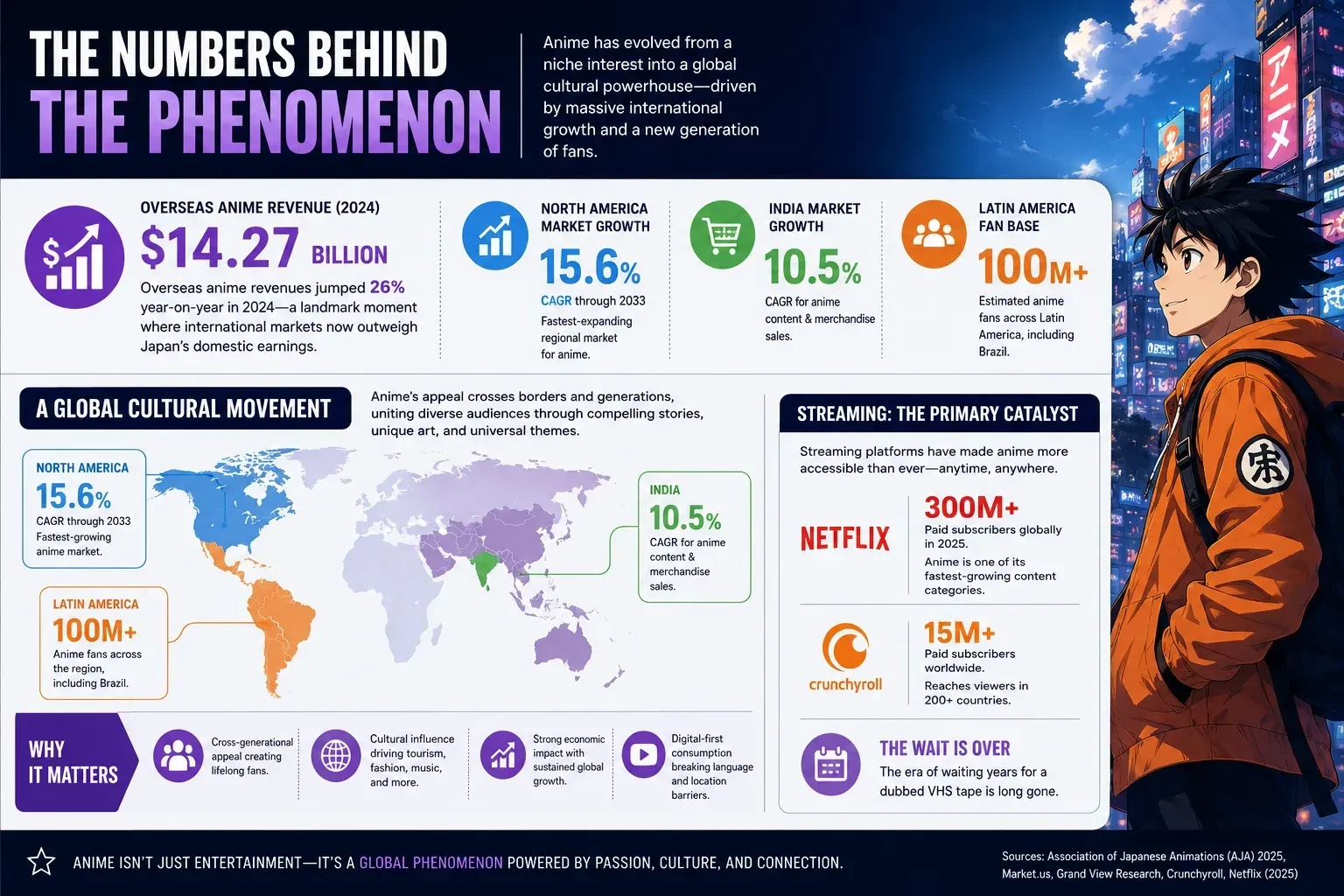
Anime has evolved from a niche subculture into a global entertainment powerhouse, boasting a diverse landscape of genres, art styles, and narrative complexity. For the uninitiated or the seasoned viewer seeking their next obsession, the sheer volume of available titles can be overwhelming. This guide serves as a systematic exploration, dissecting the medium by viewer preference, technical merit, and emotional resonance. Whether you prioritize high-octane action, cerebral philosophy, or intimate character drama, there is a meticulously crafted series waiting for you. Below, we break down the essential categories and the definitive titles that define them.
1. The Action Enthusiast: Adrenaline and Choreography
For viewers who crave visceral combat, strategic brilliance, and stakes that feel existential, the action genre in anime offers an unmatched visceral experience. The best entries in this category do not merely rely on spectacle; they integrate fight choreography into character development and world-building.
Top Picks for Action
- Attack on Titan – A masterclass in tension and moral ambiguity. The vertical maneuvering combat is not just visually stunning; it is a tactical necessity against a relentless existential threat. Beyond the action, it is a political thriller about freedom, trauma, and the cyclical nature of hatred.
- Jujutsu Kaisen – For those who prefer modern, fluid combat with a dark fantasy edge. The animation by Studio MAPPA is arguably the gold standard for hand-to-hand and cursed-energy clashes. The power system is rigorous, making every fight a puzzle as much as a brawl.
- Fullmetal Alchemist: Brotherhood – A holistic masterpiece. Its action sequences are grounded in alchemical rules, making each battle a thoughtful application of scientific principles. The narrative payoff is immense, weaving action with a profound exploration of sacrifice and humanity.
2. The Cerebral Viewer: Psychological Depth and Philosophy
Anime excels at bending the mind. If you are drawn to existential questions, unreliable narrators, and narratives that deconstruct human consciousness, this category is your intellectual playground. These shows demand attention and reward rewatches with layered meanings.
Essential Psychological Titles
3. The Issekai Explorer: Escapism and World-Building
Isekai, or “another world” stories, dominate the modern landscape. While many follow a formula, the best entries subvert tropes or execute them with exceptional polish. These are ideal for viewers who seek immersive fantasy settings with clear progression systems.
| Re:Zero | Psychological horror mixed with time loops | Viewers who enjoy suffering and resilience |
| Mushoku Tensei | Detailed life journey with mature themes | Fans of slow-burn character arcs and high production values |
| Log Horizon | Strategy, politics, and group dynamics | Gamers who want intellectual rather than physical conflict |
For a pure, optimistic adventure, That Time I Got Reincarnated as a Slime offers a satisfying empire-building narrative. Conversely, The Rising of the Shield Hero offers a more gritty, revenge-driven start. The key differentiator for high-quality isekai is not just the fantasy setting, but the internal logic and consequences of that world.
4. The Romantic and Slice of Life Connoisseur
Not all great anime involve battles or mysteries. Some of the most profound storytelling occurs in the mundane. The slice-of-life and romance genres excel at capturing the subtle poetry of everyday moments, awkward confessions, and the quiet growth of relationships.
Curated Romance and Daily Life
- Fruits Basket (2019) – A beautiful sorcery-infused drama about trauma, acceptance, and found family. The romance is slow-burn and earned, with every character receiving a compelling, heart-wrenching arc.
- Kaguya-sama: Love Is War – A comedic masterpiece that uses a psychological warfare frame for two prideful geniuses who refuse to confess their love. The humor is sharp, but the underlying emotional vulnerability is genuinely touching.
- March Comes in Like a Lion – A deep dive into depression and professional shogi (chess). It deals with loneliness and recovery with remarkable sensitivity, making it a therapeutic experience rather than mere entertainment.
5. The Comedy and Action Hybrid: The “Shonen” Balance
Many viewers enter anime through shonen (aimed at young males), but the best of this genre transcends its demographic. These series blend humor, friendship, and escalating power scales into a reliably exciting format. They are the “blockbusters” of anime, designed for maximum mainstream appeal.
Modern Shonen Standards
- One Piece – The current epic of the medium. With over a thousand episodes, it is a massive commitment, but its world-building, foreshadowing, and emotional payoffs are unmatched. It blends absurdist comedy with tragic backstories.
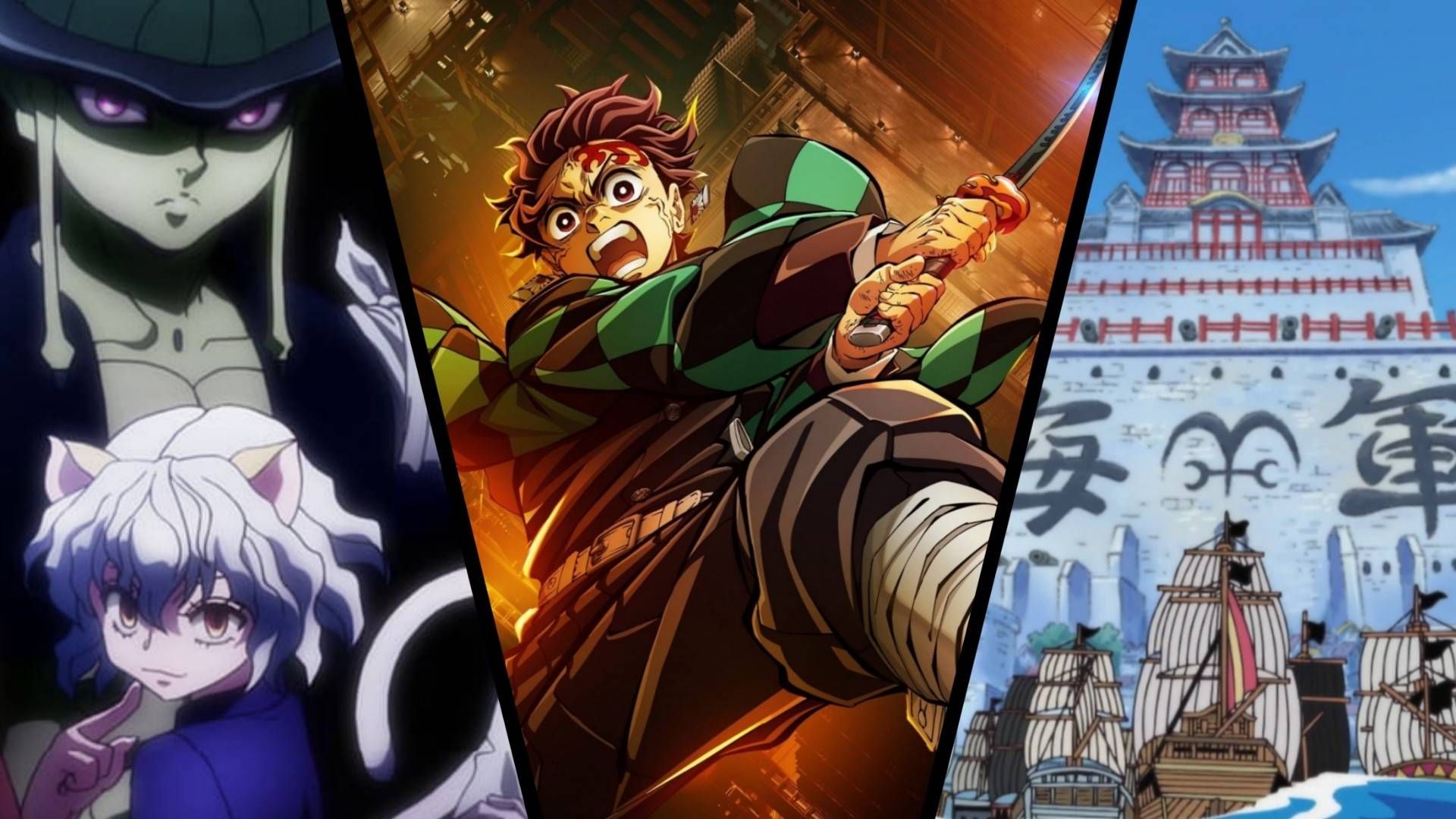
- Demon Slayer – While the plot is straightforward, the animation is breathtaking. Ufotable’s cinematic visuals and the emotional core of Kamado Tanjiro’s kindness make it an accessible, visually stunning entry point.
- Mob Psycho 100 – Created by the author of One-Punch Man, this series deconstructs the shonen formula. It focuses on a psychic boy who seeks self-improvement over raw power. The animation is expressive and wild, and the message about emotional growth is surprisingly mature.
6. The Minimalist and Artistic Seeker
Anime is also a medium for avant-garde expression. For viewers who appreciate film as art—focusing on atmosphere, visual metaphor, and pacing over plot—these titles offer a unique aesthetic experience. They are often shorter (12-24 episodes) and leave a lasting impression.
Auteur-Driven Viewing
- Serial Experiments Lain – A prescient exploration of the internet, identity, and reality. It is cryptic, experimental, and visually haunting. It is less a story to be understood and more a mood to be absorbed.
- The Garden of Sinners (Kara no Kyoukai) – A film series with dark, gothic philosophical themes. The narrative is non-linear, requiring careful attention, but the animation by ufotable is spectacularly atmospheric.
- Sonny Boy – A summer vacation that tumbles into a surrealistic, dimension-hopping mystery. It is unapologetically abstract, using its characters as pawns in a Tarot-like examination of choice and consequence.
Conclusion: Curating Your Personal Canon
The best anime is not a single title; it is a spectrum. The key to navigating this medium is to align your expectations with the creator’s intent. If you want to be thrilled, choose action. If you want to think, choose philosophy. If you want to feel, choose romance or slice of life.
As a technical recommendation, always check the production studio and director as a quality indicator. A work by Satoshi Kon (e.g., Perfect Blue) demands a different mindset than a work by Makoto Shinkai (e.g., Your Name). Do not shy away from older titles; animation from the 90s and 2000s often possesses a hand-crafted quality that modern digital production lacks. Start with a genre you know you enjoy, then allow yourself to be surprised by a subversion of that genre. Ultimately, the best anime for you is the one that leaves a residue—a thought, a feeling, or a question that lingers long after the credits roll.

Related Posts