In the ever-evolving landscape of global cinema, film festivals serve as the ultimate arbiters of artistic merit, cultural exchange, and industry innovation. These curated gatherings are not merely red-carpet spectacles; they are strategic ecosystems where distribution deals are forged, emerging auteurs are discovered, and the collective consciousness of storytelling is recalibrated. For technology professionals and media investors, understanding the distinct value proposition of each major festival is critical—not only for brand positioning but for identifying the next wave of narrative and visual technology adoption. This analysis dissects the most iconic film festivals, revealing their unique operational models, historical gravitas, and technological influence.
The Grand Doyen: Cannes Film Festival
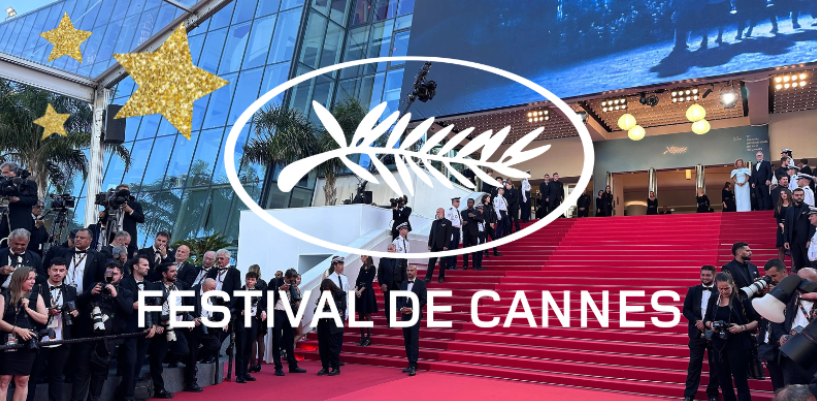
Held annually on the French Riviera, the Cannes Film Festival is the undisputed commercial and prestige epicenter of the industry. Established in 1946, its Palme d’Or remains the most coveted award in cinematic art. From a strategic standpoint, Cannes is less about public screenings and more about the Marché du Film—the largest film market in the world. Here, sales agents, streamers, and studios close monumental licensing deals, often before a single frame is shown to the press.
For tech stakeholders, Cannes is the bellwether for high-end production values. The festival’s Official Selection consistently features films shot on the latest digital cinema cameras, Dolby Vision HDR, and immersive audio formats. Moreover, the Cannes XR program has become a dedicated hub for virtual reality and augmented reality experiences, signaling a deliberate fusion of traditional storytelling with spatial computing. The festival’s strict dress code and choreographed photo calls maintain a haute couture mystique that generates unmatched global media reach.
- Key differentiator: Commercial power and global prestige.
- Tech focus: Premiering large-format (IMAX, 70mm) and immersive XR works.
- Strategic value: Exclusive networking with AAA buyers and celebrity-driven brand lift.
The Vanguard of Independent Cinema: Sundance Film Festival
Founded by Robert Redford in 1978, the Sundance Film Festival (held in Park City, Utah, each January) is the undisputed launchpad for independent and indie-punk storytelling. Where Cannes wields corporate muscle, Sundance thrives on authenticity and disruptive narrative forms. It was at Sundance that Reservoir Dogs, Parasite (in its initial indie showcase), and countless digital-native documentaries first found their audience.
From a technological perspective, Sundance is the proving ground for low-budget, high-impact production workflows. Its New Frontier section is a dedicated laboratory for interactive media, artificial intelligence-assisted editing, and experimental multi-platform narratives. For hardware manufacturers and software developers, a Sundance selection signifies that a product is accessible, scalable, and emotionally resonant—not just technically advanced. The festival’s hybrid model (in-person plus online screenings) has also set the standard for secure OTT (over-the-top) content delivery, making it a critical case study in digital distribution architecture.
The Epicenter of Global Cinema: Venice Film Festival
As the oldest film festival in the world (founded in 1932), the Venice Film Festival offers a unique blend of historical authority and forward-looking exhibition. Held on the Lido island, it is part of the La Biennale di Venezia, an organization that also manages art, architecture, dance, and theater festivals. This interdisciplinary foundation makes Venice the most philosophically ambitious of the major festivals.
Technologically, Venice is the European premiere venue for auteur-driven blockbusters and arthouse releases. It is here that the Golden Lion is awarded to films that push formal boundaries—often using unconventional aspect ratios, monochrome grading, and organic lighting techniques. In recent years, Venice has aggressively integrated virtual production (LED-stage filming) into its official selection, showcasing how real-time engine technology (Unreal Engine) can replace traditional green screens. The festival’s partnership with the Venice Biennale College Cinema also offers select teams seed funding and mentorship for immersive tech labs, making it a non-negotiable stop for spatial computing startups.
The Defiant Maestro: Berlin International Film Festival (Berlinale)
Operating in the political heart of Europe, the Berlinale is distinguished by its overtly sociopolitical programming. The festival’s main award, the Golden Bear, has historically been awarded to films tackling migration, surveillance, and economic inequality. For technology brands, this represents a critical reputational risk and opportunity: showing at the Berlinale signals corporate alignment with ethical AI, data privacy, and human-centric design.
The Berlinale’s Co-Production Market is the most efficient networking mechanism for pan-European funding, often linking German broadcasters with Scandinavian streaming platforms and Asian production houses. In terms of exhibition tech, the festival has been a pioneer in Digital Cinema Package (DCP) redundancy and accessible screening standards (e.g., audio descriptions via mobile apps). The festival’s Berlinale Talents program is a rigorous, week-long think tank for 250 emerging filmmakers, heavily featuring panels on cloud-based post-production and data-driven audience analytics.
Comparative Analysis: A Strategic Overview
To assist media executives and CTOs in planning their annual festival logistics, the following table provides a concise comparative matrix of the four flagship events.
| Cannes | Commercial blockbusters & global sales | Palme d’Or | Cinema cameras, HDR, XR market |
| Sundance | Independent & disruptive narratives | Grand Jury Prize | AI editing tools, mobile-first delivery |
| Venice | Auteur art & interdisciplinary art | Golden Lion | Virtual production, real-time engines |
| Berlinale | Sociopolitical impact & co-productions | Golden Bear | Ethical AI, cloud post-production |
Emerging Festivals and the Digital Disruption
Beyond the “Big Four,” a second tier of festivals is rapidly rising in technological significance. The SXSW Film Festival in Austin, Texas, is the epicenter for transmedia and interactive storytelling, often serving as the beta test site for short-form vertical video and social media-native content. Similarly, the Locarno Film Festival in Switzerland has become a noted haven for filmmaker-driven DCP encryption and decentralized distribution via blockchain-based smart contracts.
For any professional in the tech niche, the key takeaway is that film festivals are no longer just about watching movies—they are live hardware and software testing environments. The post-production pipelines showcased at these events—from remote collaboration dashboards in the cloud to latency-free live color grading over 5G—are direct blueprints for enterprises outside the entertainment sector.
The Strategic Conclusion: Where to Bet Your Brand
Choosing which festival to attend or sponsor is a data-driven decision, not a matter of glamour. If your product targets mass-market streaming infrastructure, Cannes is indispensable. If you are developing creator-economy tools, Sundance is your lab. For high-end visualization and real-time graphics, Venice is mandatory. And for regulatory-facing AI ethics and public policy, the Berlinale provides the only stage that combines art with governance.
Ultimately, the global festival circuit operates as a synchronized clock of cultural and technological advancements. The most effective copywriters and strategists do not merely report these events—they translate their symbolic capital into actionable KPIs for innovation roadmaps. The cinematic world may be romanticized, but the underlying mechanisms are purely engineering: precise scheduling, careful arbitration, and the relentless pursuit of an emotional signal that cuts through digital noise.

Related Posts