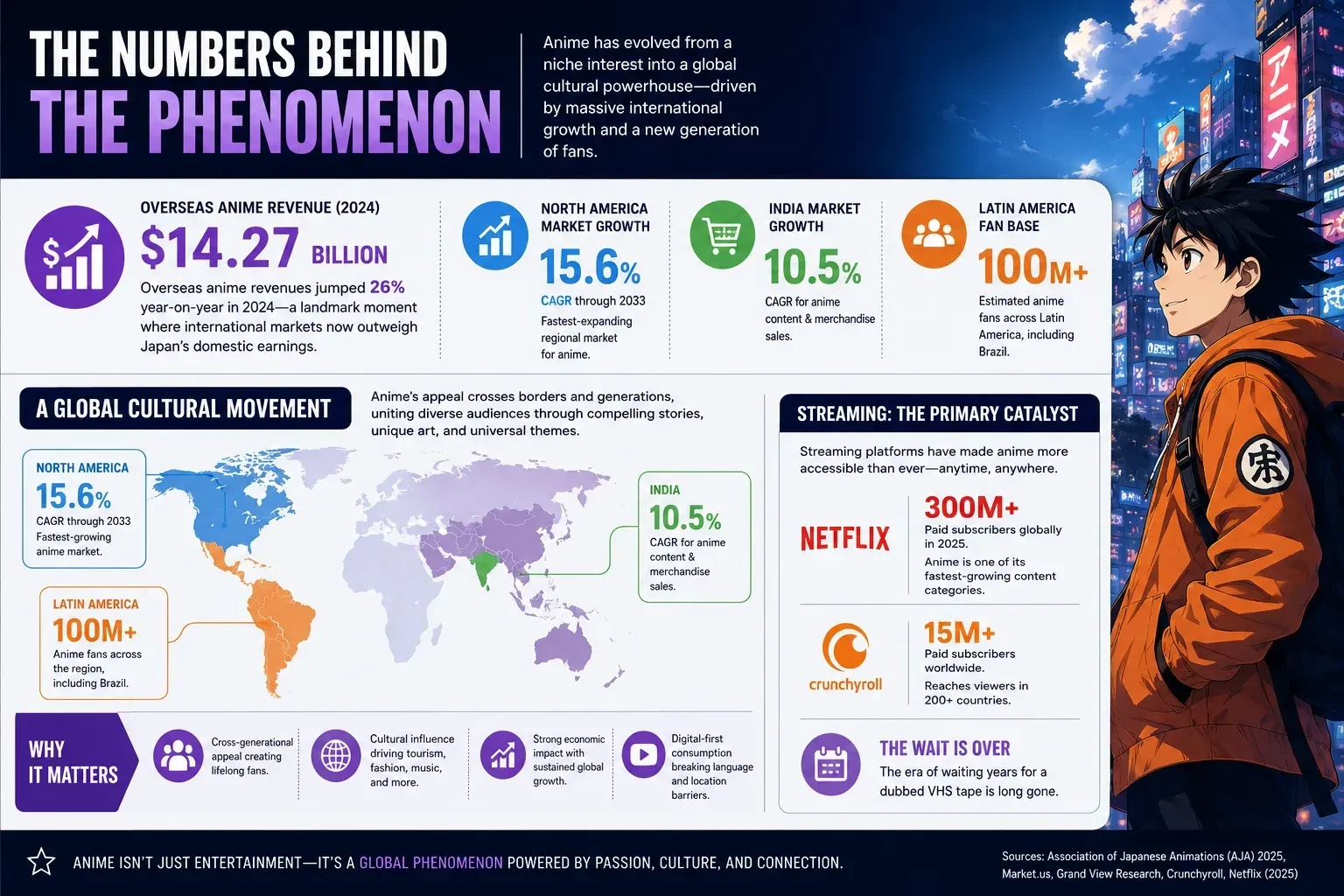
In the ever-expanding universe of global entertainment, few cultural exports possess the enduring gravitational pull of anime. While entire series may conclude and seasonal trends fade into obscurity, a select pantheon of characters transcends their original narratives to become permanent fixtures in the global consciousness. These figures are not merely popular; they are cultural infrastructure, influencing fashion, philosophy, memes, and even language. What elevates a character from fleeting fan favorite to a decades-spanning icon? It is a complex alchemy of universal archetypes, psychological depth, and visual distinctiveness, reinforced by a media ecosystem that refuses to let them die.
This article dissects the enduring appeal of anime’s most globally recognized figures, examining the structural and narrative reasons why they continue to capture the imagination of audiences from Tokyo to Toronto. We will explore the specific traits that create cross-generational and cross-cultural resonance, moving beyond simple nostalgia to understand the mechanics of permanence.
The Archetypal Foundation: Monomyth and Universal Conflict
The most globally persistent anime characters are built upon mythic scaffolding that predates the medium itself. They are modern incarnations of the hero’s journey, the trickster, the martyr, and the reluctant savior. This archetypal depth allows them to be understood immediately, regardless of cultural background. A Japanese viewer and a Brazilian viewer may not share the same social codes, but they both comprehend the loneliness of a warrior or the burden of forbidden power.
Consider Son Goku from Dragon Ball. On the surface, he is a simple martial artist seeking stronger opponents. Yet, his narrative arc mirrors the classic myth of the foundling who discovers his celestial heritage. His relentless optimism and pure-heartedness are not quirks; they are structural pillars of the shonen genre. Similarly, Naruto Uzumaki from Naruto embodies the outcast-hero archetype—a figure whose rejection fuels his deterministic rise. These characters win because they externalize a universal struggle: the fight against one’s own inherent loneliness.
The psychological complexity of characters like Spike Spiegel from Cowboy Bebop adds another layer. Spike is not a hero in the traditional sense; he is a nihilist chasing a ghost. His archetype is the noir detective, a man trapped by his past. This resonance with existential ennui allows him to remain relevant to adult audiences who have outgrown simplistic power fantasies. The lasting popularity is not about the character being “relatable” in a literal sense, but about them being recognizable as part of a larger human story.
Visual Iconography and Memetic Transmission
In an age of fragmented attention, a character’s silhouette must be instantly legible. The most popular anime characters possess a visual design that is simultaneously simple and extreme. Pikachu, arguably the most recognizable anime character on Earth, is a masterclass in geometric reduction: two circles, two ears, and a tail. This simplicity allows for infinite replication in merchandise, fan art, and corporate branding. It is a logo as much as a character.
Beyond silhouette, the use of signature color palettes and exaggerated features creates memetic durability. Luffy from One Piece is defined by his straw hat and permanent grin, symbolizing freedom and insatiable appetite. Levi Ackerman from Attack on Titan is reduced to his cravat, undercut hair, and cold stare—elements that are easily cosplayed and instantly recognized. The visual grammar of these characters is designed for high contrast and low ambiguity.
Furthermore, their expressions become memetic currency. The smug grin of Gintoki Sakata from Gintama, the dead-eyed stare of Saitama from One Punch Man, and the manipulative smile of Light Yagami from Death Note have been extracted from their narratives and repurposed as reaction images across the internet. This process of “floating signifiers” detaches the character from the story while preserving their emotional essence, allowing them to live on as linguistic tools for global online communication.
Moral Ambiguity and the Anti-Hero Appeal
While pure-hearted heroes sustain childhood fandoms, the global longevity of anime is equally bolstered by its complex antagonists. Characters who operate in moral gray zones achieve a different kind of permanence because they invite endless debate. Lelouch vi Britannia from Code Geass is a revolutionary who commits atrocities for a noble end. Griffith from Berserk is a messianic figure whose betrayal is so profound it redefines the tragedy genre. These characters are not easily categorized as good or evil; they are forces of chaotic change.
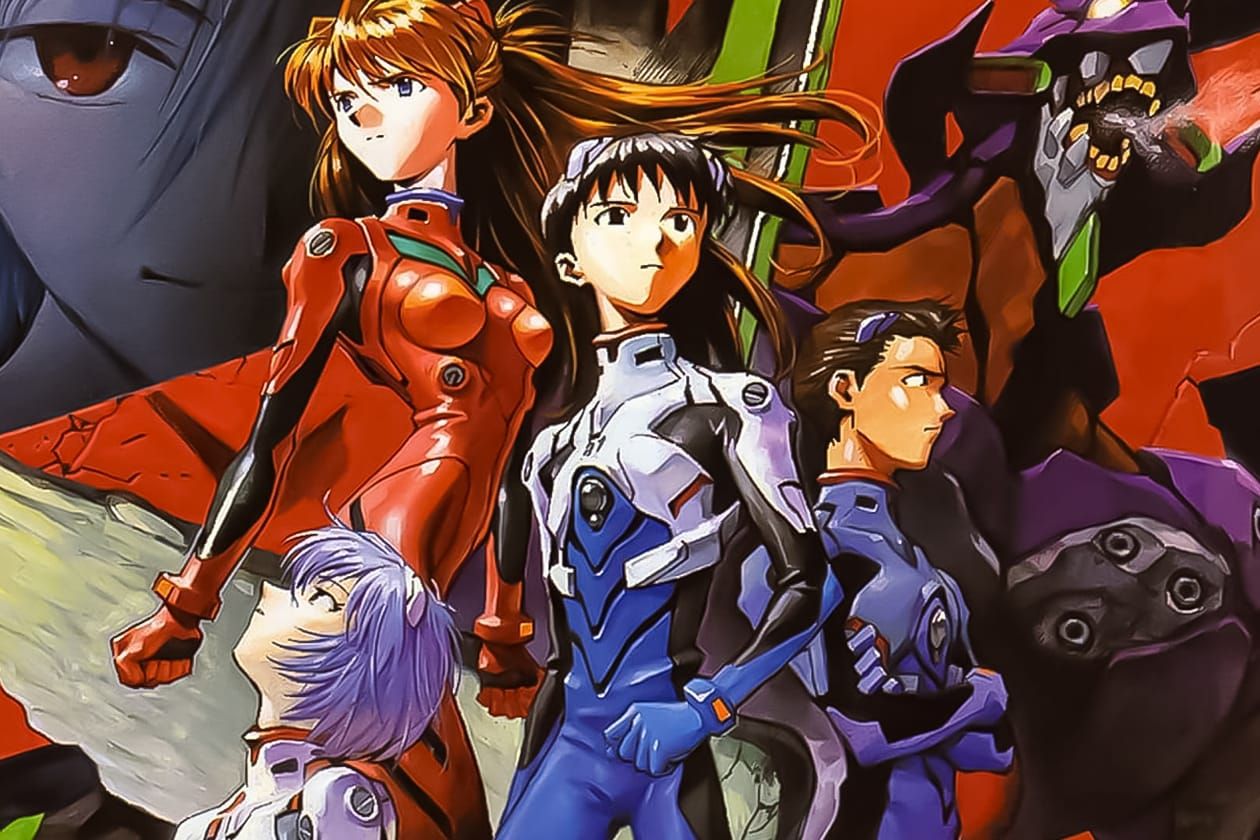
This ambiguity is crucial for sustained engagement. A straightforward hero is satisfying but finite. A morally complex character generates discourse—forum threads, academic essays, and YouTube video essays that continue to interpret and reinterpret their actions. The popularity of Asuka Langley Soryu from Neon Genesis Evangelion is rooted in her psychological instability and abrasive narcissism. She is not designed to be loved; she is designed to be analyzed. That analytical engagement creates a deeper, more intellectual fan loyalty that outlasts any seasonal hype.
Moreover, the anti-hero narrative often subverts the very genre that spawns it. Homura Akemi from Madoka Magica is a magical girl who becomes a witch-like entity to save her friend, effectively dismantling the genre’s core premise. Her popularity lies in her tragic agency—she is both villain and savior. This narrative complexity ensures that the character remains a subject of study, not just a source of entertainment.
Cultural Ambassadorship and Transmedia Expansion
The final pillar of lasting popularity is the strategic deployment of these characters across multiple media platforms. It is insufficient to be popular within the anime itself; the character must become a spokesperson for a franchise and, by extension, a nation. Doraemon, for instance, has been appointed as a cultural ambassador for Japan. His pale blue robotic form is synonymous with childhood nostalgia, futuristic optimism, and benevolent technology. He is not just a cartoon; he is a brand asset for soft power.
Transmedia expansion ensures that the character never experiences a “dead air” period. While the original Dragon Ball manga ended decades ago, Goku continues to appear in new movies, video games, and collaborative exhibitions, such as his official partnership with global brands. Similarly, Char Aznable from Mobile Suit Gundam appears in countless spin-offs, model kits, and even a line of luxury watches. This constant reincarnation keeps the character in the public eye, feeding a cyclical loop of new generations discovering the core text.
Importantly, these characters have achieved a level of linguistic and cultural translation that eliminates national boundaries. The phrase “I am the hope of the universe,” spoken by Goku in the English dub, is now more iconic in the West than the original Japanese line. Similarly, the word “Sasageyo” associated with Eren Yeager has become a global chant. This localization process, while often criticized by purists, is essential for global adoption. The character must be adaptable enough to speak the local language of the audience, both literally and metaphorically.
The Role of Nostalgia and Generational Handoff
No discussion of longevity is complete without addressing the mechanics of nostalgia. Anime characters with lasting popularity are those that are actively introduced to new generations by older fans. This is not passive nostalgia; it is an active pedagogical act. A parent who watched Pokémon in the 1990s will introduce Ash Ketchum to their child, not despite the character’s age, but because of the shared ritual of watching him lose league championships. This generational handoff creates a feedback loop of emotional investment.
The characters themselves often age in real-time with their early adopters. Kenshiro from Fist of the North Star remains popular because his violent, apocalyptic world view resonated with adult men who grew up in the 1980s, and who now find retro-nostalgia appealing in the current media landscape. The same applies to Cyborg 009 and other classic Toei protagonists. Their visual style, rooted in the economic and social realities of their creation, becomes a time capsule that new fans explore with historical curiosity.
However, nostalgia alone is insufficient. The character must also evolve thematically. The success of Boruto proves that Naruto can transition from a reckless youth to a burdened father, maintaining relevance to a new audience that faces different anxieties. This adaptive resilience is the hallmark of an icon—the ability to bend without breaking, to be reinterpreted without being destroyed.
Conclusion: The Immortal Formula
In conclusion, the anime characters with lasting global popularity are not accidents of timing or marketing flukes. They are precisely engineered artifacts that combine universal mythology, radical visual economy, moral complexity, and strategic transmedia deployment. From Goku’s grinning ascent to Spike’s fatalistic drift, these figures function as collective psychological anchors for a global audience. Their longevity is not a testament to the past, but a continuous, living negotiation between the creators, the consumers, and the characters themselves. As the anime industry continues to globalize, these icons will not be replaced; they will be supplemented and recontextualized. The true measure of their immortality lies not in their power levels or plot victories, but in their capacity to remain simultaneously timeless and timely, forever a mirror for the human condition.
| Son Goku | Celestial Warrior | Relentless optimism & evolving power ceiling |
| Naruto Uzumaki | Outcast Underdog | Redemption through perseverance |
| Spike Spiegel | Noir Existentialist | Stylized fatalism & jazz-era cool |
| Levi Ackerman | Tragic Elite Soldier | Flawless combat skill & latent vulnerability |
| Lelouch vi Britannia | Machiavellian Idealist | Moral ambiguity & sacrificial endgame |
| Pikachu | Companion Mascot | Visual simplicity & universal cuteness |
Ultimately, these characters survive because they offer something that is increasingly rare in ephemeral media: a stable yet flexible identity. They are safe containers for complex emotions. In a world of constant change, their consistency is not a weakness—it is their greatest superpower.

Related Posts